
A new era for the Caped Crusader begins with the release of Batman #1, and writer Matt Fraction and artist Jorge Jimenez are pulling no punches. The creative duo immediately strips away years of cooperation, throwing the World's Greatest Detective back into the gritty heart of Gotham where he finds himself once again at odds with the city's finest. Fraction and Jimenez place the hero back in his classic blue-and-grey and reignite a fundamental feud: the Dark Knight vs. the GCPD. Given the current national climate, the choice to return Batman to his roots of not trusting law enforcement feels less like a new story and more like a necessary confrontation. (Spoilers for Batman #1)
The Setup: A City in Crisis
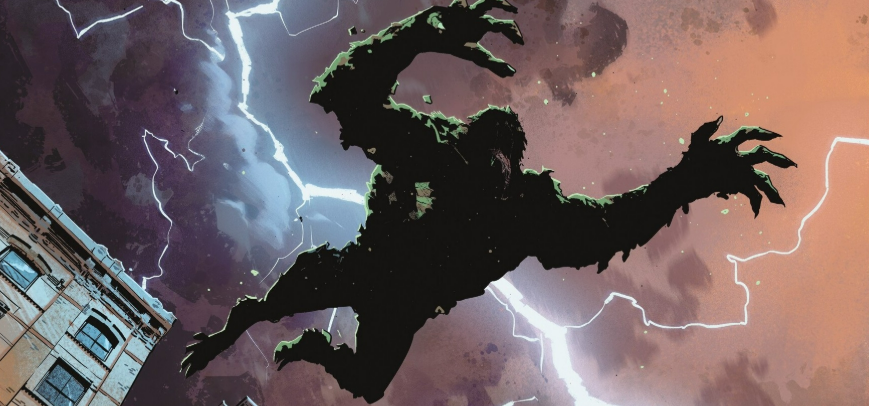
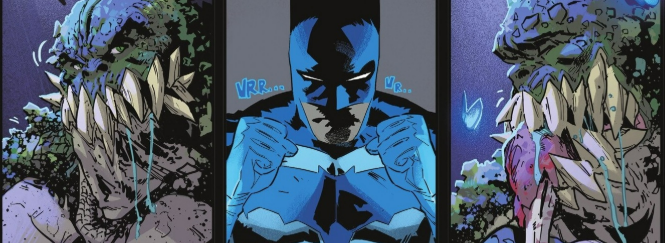
Fraction and Jimenez's debut issue follows a familiar A-story: Waylon Jones, better known as Killer Croc, escapes a mental health facility. But the writers immediately subvert expectations. Instead of a brutal brawl, Batman finds the villain in a moment of childlike calm at the Natural History Museum. The ensuing confrontation is a masterclass in psychological tension, with Batman choosing a compassionate dialogue over violent vigilantism. He succeeds in getting Croc to willingly return to the facility, all but proving that his approach works.
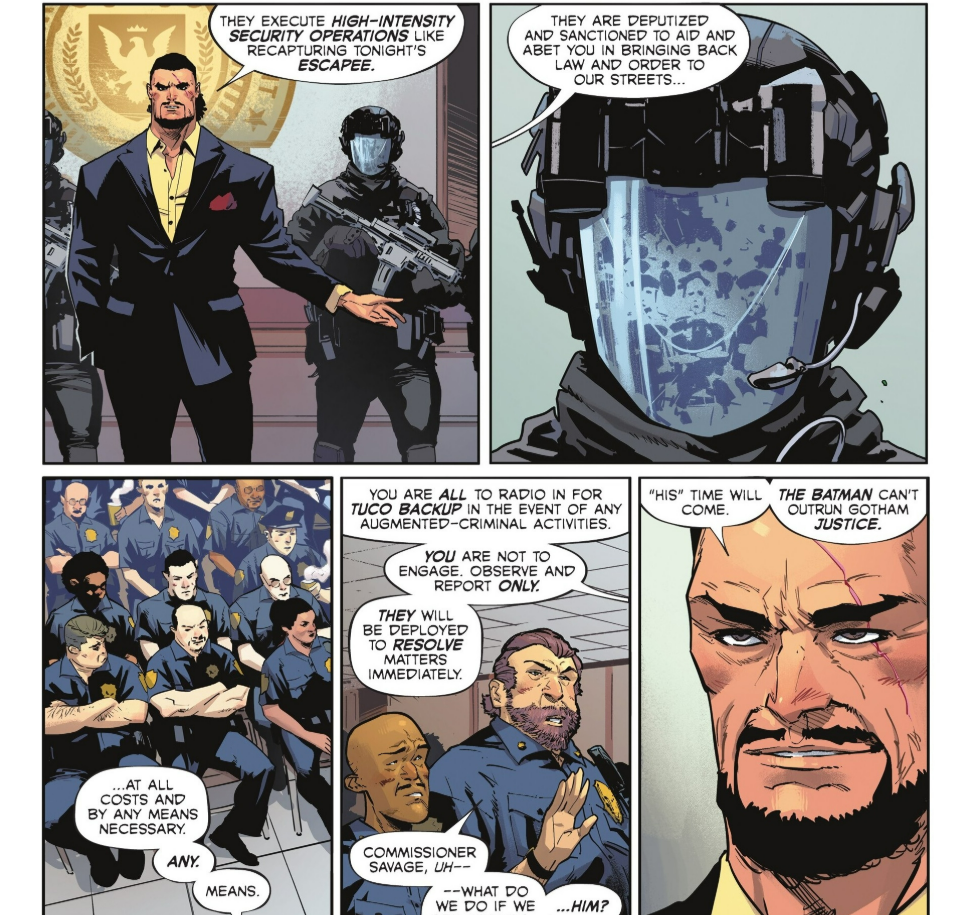
Meanwhile, the comic introduces the core conflict for this new run: the militarization of the GCPD. We meet Gotham's new Commissioner, the power-hungry Vandal Savage, who debuts a team of masked, riot-gear-clad operatives called the Tactical Urban Combat Officers (TUCO). Savage makes his intentions clear, declaring his new force will handle threats like Croc and that Batman's time will come. "The Batman can't outrun Gotham Justice," he states, a warning that foreshadows a direct war between the hero and the police.
This ideological clash is further cemented by Batman’s own observations. While saving two young women from the Creepers, a gang who have taken over a public park, Batman criticizes the GCPD for failing to address the gang and letting the situation fester. This feels like a radical departure from the Batman who worked hand-in-hand with Commissioner Gordon. The issue closes with a chilling moment: Robin, Tim Drake, is stopped at gunpoint by GCPD officers and asks over comms, "Is there anyone on the police force we're friendly with these days?" This cements the comic's theme that not even Batman's trusted allies are safe from a police force that has completely lost its way.
The Heart of the Review: A System in Crisis
Fraction's writing, masterfully complemented by Jimenez's art, doesn't merely tell a story; it holds a mirror to systemic failures. The treatment of Waylon Jones/Killer Croc serves as the issue's most poignant example. In a society quick to label and fear, Croc is often depicted as a monstrous, irredeemable brute, an enemy to be subdued with force. Yet, Fraction presents him as a man struggling with profound mental health challenges, seeking solace in the primal comfort of the museum's T-Rex display. Batman, in a startling departure from his usual modus operandi, opts for empathy and dialogue over violence. This choice is crucial: it not only de-escalates a potentially devastating situation but also implicitly critiques a system that defaults to force, punishment, and incarceration for individuals who may desperately need understanding and care. The implication is clear: if the GCPD, or society at large, had adopted Batman's approach, perhaps Croc's "escape" wouldn't have been an emergency, but a cry for help.
This critique of systemic failure extends directly to Vandal Savage's new Tactical Urban Combat Officers (TUCO). These masked, militarized units are explicitly designed to address "threats" like Croc, yet their very existence embodies the problem. They represent a clear shift from community-oriented policing to an authoritarian, us-vs.-them approach. The eerie resemblance you noted to real-world masked federal agents speaks volumes, highlighting how the comic intentionally draws parallels to current events where heavily armed, anonymous forces are deployed against a city's own citizens. Their mandate is not to serve or protect, but to control and enforce through intimidation, irrespective of the underlying causes of societal unrest or individual distress.
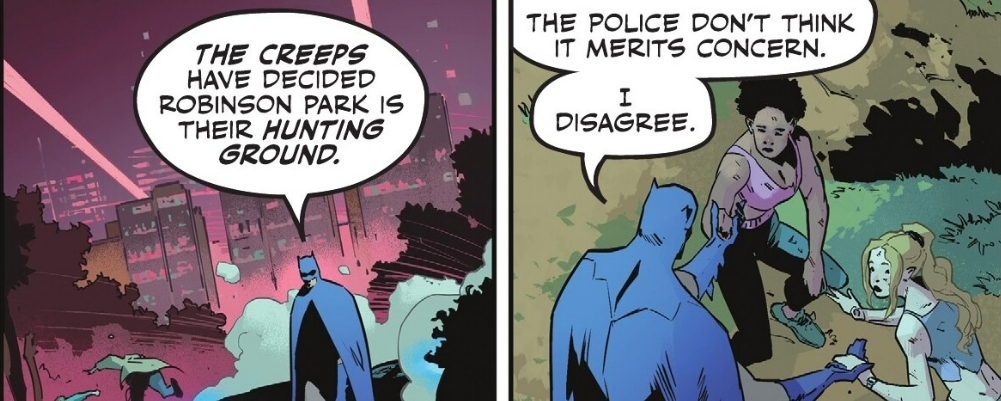
Fraction further underscores the GCPD's abandonment of its core duties through Batman's pointed observations about the Creepers gang. The fact that a known criminal element can openly harass citizens in a public park, with Batman remarking that the GCPD "does not take the Creepers seriously," showcases a policing structure that either cannot or will not protect its most vulnerable citizens from everyday threats. Instead, resources are diverted to a militarized force focused on "bigger" (and arguably, more politically charged) targets. This leaves marginalized communities, often the ones most impacted by petty crime and harassment, further exposed and unsupported.
The concluding scene with Tim Drake being stopped at gunpoint by GCPD officers is the grim culmination of this narrative. It demonstrates that the police force, now under Savage's iron fist, is not only failing to protect its citizens but has become a direct threat, even to those who embody justice and safety. This militarization of police, the story argues, has utterly failed Gotham, creating a climate of fear and distrust where even the city's heroes are no longer safe from the very institutions meant to uphold order.
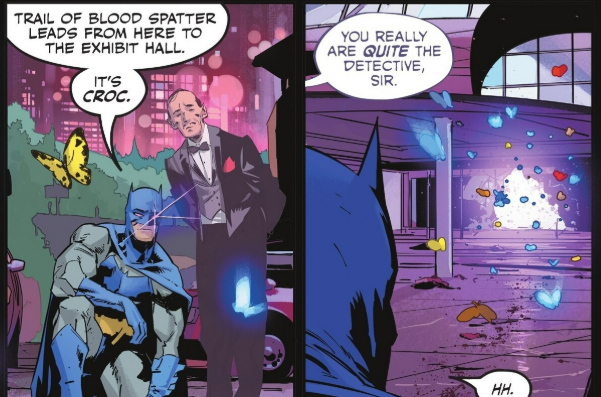
Finally, Fraction introduces a fascinating new layer to Bruce's psyche with the presence of an AI Alfred. This digital version of his beloved mentor acts as a witty, a backseat driver, and an unwilling conscience, reminiscent of the Iron Man/JARVIS dynamic. Alfred's presence, whether real or a digital ghost, is a poignant commentary on Bruce's inability to let go. Just as he refuses to move past his parents' death, his war on crime, he now chooses to keep those he's lost in his life in this digital form. It speaks to a deep psychological need to maintain a connection to his past, and another compelling reason why his war on crime is a constant struggle.
The Visuals and Art
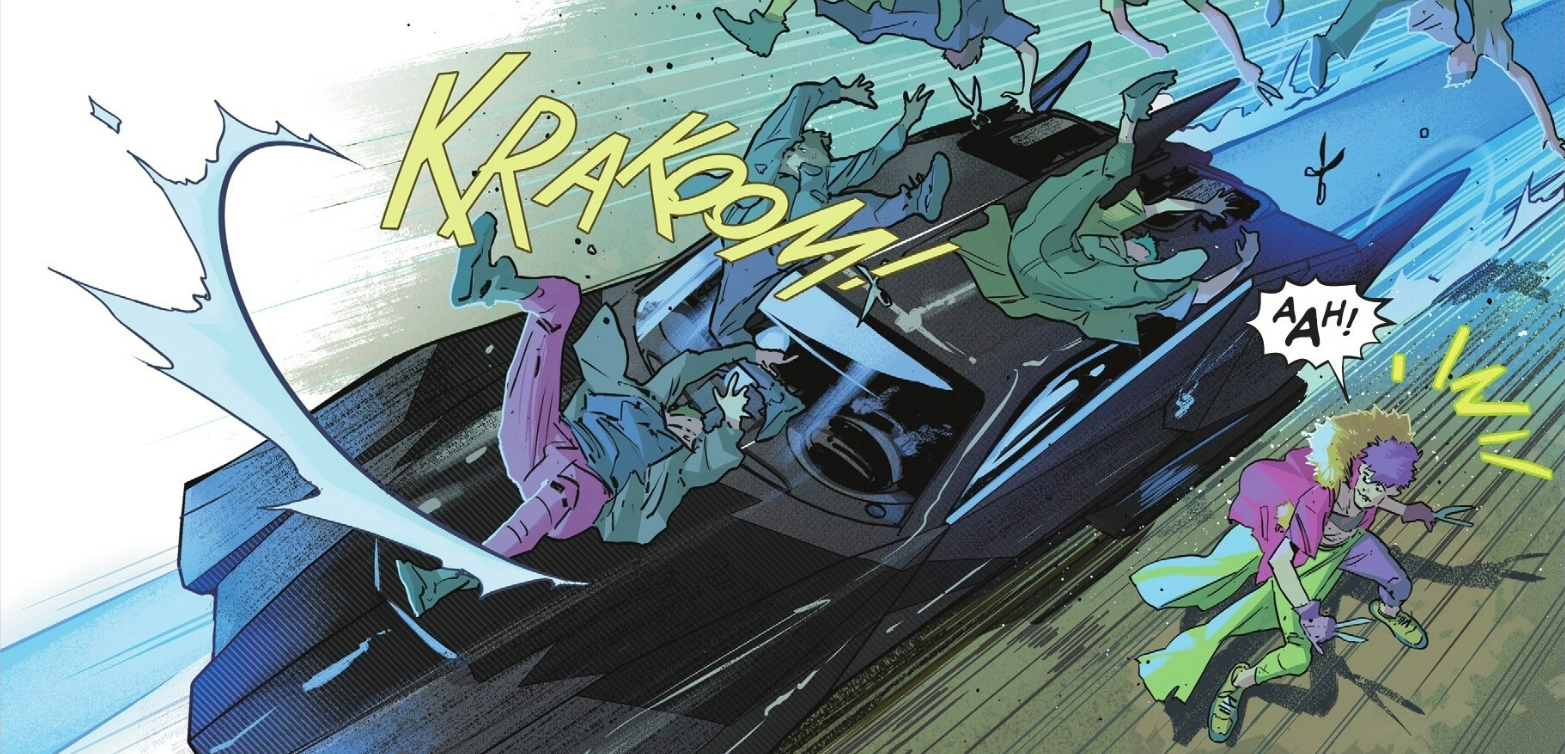
While Fraction's script provides the thematic backbone, it's Jorge Jimenez's art that makes this issue a must-read. Jimenez is a master of kinetic energy, and his work here is a new benchmark for the character. The action sequences are stunning, from a blur of motion as Batman glides through the city, to a dynamic splash page that captures the raw power of Killer Croc in a moment of sheer chaos. Yet, Jimenez knows when to pull back. The issue's most impactful visual is not one of violence, but of vulnerability, with Croc's massive, scaly form hunched over in a state of quiet despair. It’s a moment that perfectly captures the humanity beneath the monster.
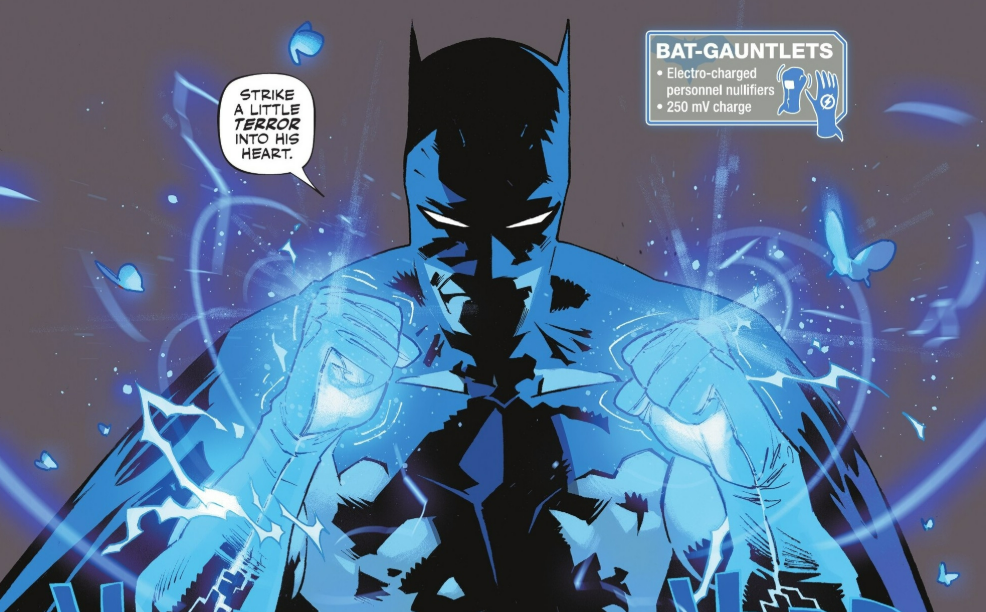
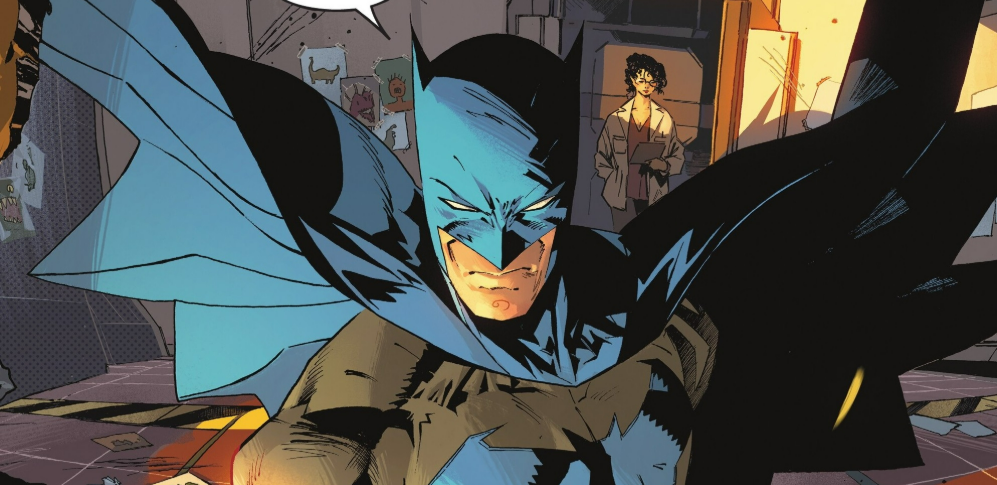
Jimenez's Batman is a standout. He gets what makes the Dark Knight visually dynamic. His character models are sharp and angular, giving the hero a lean, almost predatory silhouette against the sprawling darkness of Gotham. The use of light and shadow is central to the mood, with a heavy contrast that allows the new blue-and-grey suit to pop. The blue hue of the cape isn't just a color; it's a glowing beacon in the oppressive night, symbolizing a different kind of justice in a city consumed by shadow. This meticulous attention to detail and expressive style cements Jimenez's place as one of the definitive artists of this era.
The Verdict
On the surface, this first issue of Batman #1 might feel like a simple story of a hero tracking down a rogue villain. However, Matt Fraction and Jorge Jimenez are doing something far more substantial than that. They've used this familiar setup to lay the groundwork for a run that could offer some of the most monumental social commentary the character has seen in years.
By presenting a compassionate resolution to a situation with Killer Croc, the creative team builds a powerful argument against our society’s reliance on force and incarceration for those dealing with mental health issues. At the same time, the introduction of Vandal Savage's militarized TUCO force and Batman's pointed criticism of the GCPD's failings is a direct and courageous commentary on contemporary policing. This issue feels less like a simple superhero comic and more like a carefully crafted thesis, using Gotham's broken systems as a grim reflection of our own.
Ultimately, this debut issue is a masterclass in controlled storytelling. It's a testament to the fact that Batman is at his best when he is a force for change in a city that refuses to be saved. If Fraction and Jimenez continue to build on this foundation, this run has the potential to become a definitive statement on the Dark Knight's legacy. This comic is highly recommended for readers who want more than just a fight scene—it’s for those who appreciate a story that holds a mirror up to the world and asks difficult questions.